AI-Powered Software for Customer Segmentation
Discover the advantages, uses and success stories of AI-powered software in customer segmentation. Take your business into the future.
AI-Powered Software for Customer Segmentation: Take Your Business Into the Future
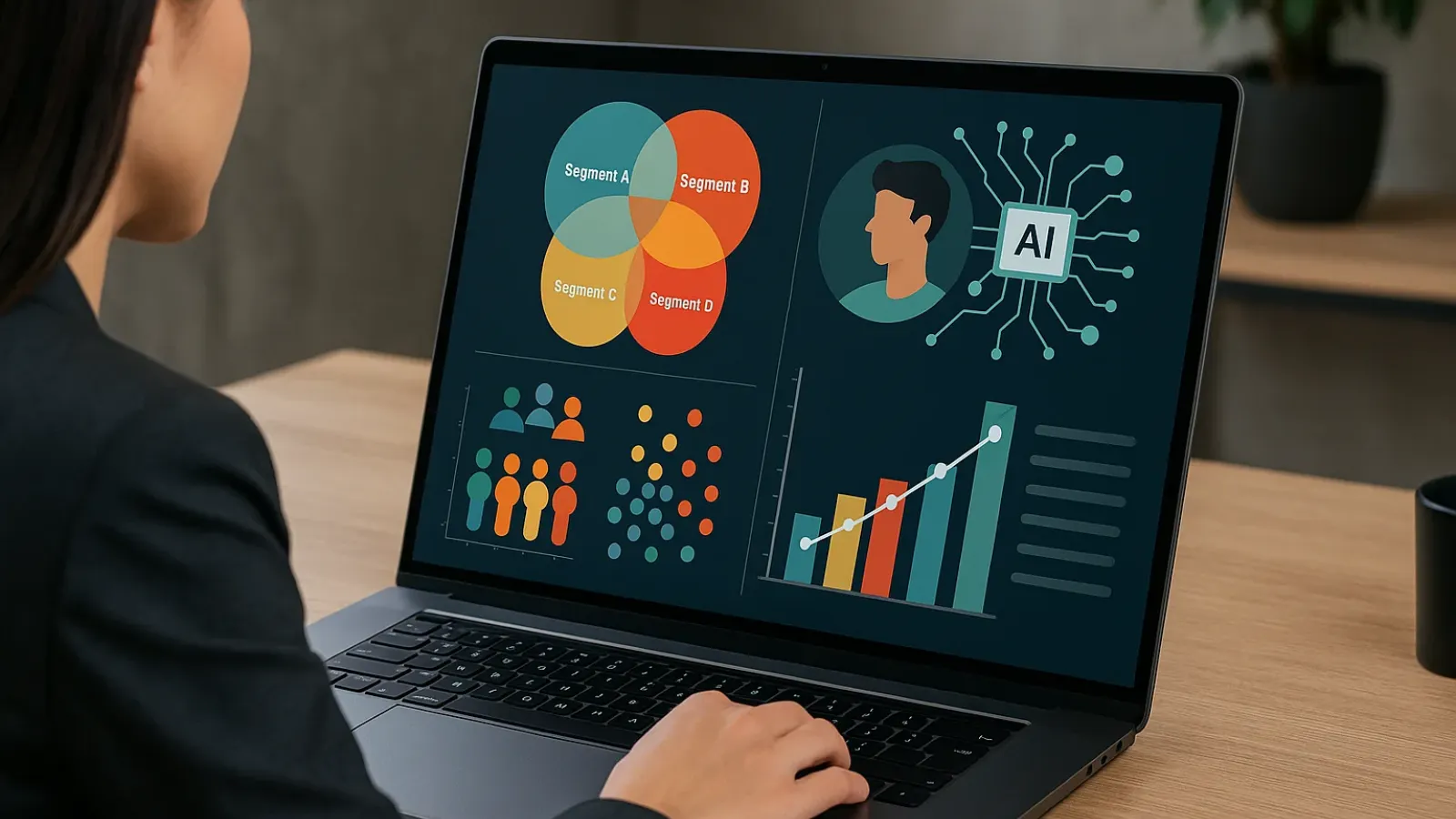
Customer segmentation is one of the cornerstones of marketing strategy. Segmenting properly lets you understand your audience better and make them offers of their own. Today, AI-powered software makes that process faster, more accurate and more effective. In this article we look in detail at the advantages, uses and success stories of AI-powered segmentation software.
What Is Customer Segmentation?
Customer segmentation is the grouping of customers by demographic, behavioural, psychographic and geographic characteristics. It lets a business develop a marketing strategy for each distinct group. Manual segmentation, however, is slow and open to error — and that is where AI-powered software comes in.
The Role of AI-Powered Software in Segmentation
AI-powered software analyses large data sets to identify customer behaviour, habits and preferences quickly. Machine learning algorithms uncover complex patterns in the data and build the segments automatically.
- Speed: Data on thousands of customers processed within seconds.
- Accuracy: Human error is minimised, so segmentation is more precise.
- Foresight: Predicting behaviour allows a proactive marketing strategy.
Notable AI-Powered Segmentation Software
Many AI-powered tools offer different features for segmentation. Some of the most popular and effective:
- Salesforce Einstein: Analyses CRM data to build personalised customer segments.
- HubSpot AI: Offers strong AI tools for segmentation within marketing automation.
- Segment: Provides multi-channel data collection with AI-supported segmentation.
- IBM Watson Customer Experience Analytics: Optimises the customer journey with advanced analytics and AI.
The Advantages
AI-powered software adds a great deal to the segmentation process:
- Personalisation: Experiences and campaigns built for particular customers.
- Efficiency: Manpower is saved and the process speeds up.
- Real-time analysis: Live data tracking makes fast decisions possible.
- Higher sales: Accurate targeting lifts conversion rates.
Practical Examples
An e-commerce site can use AI-powered segmentation software to group customers by shopping habits. It can then offer discounts to frequent buyers while running different campaigns to win back those who rarely buy. That approach raises loyalty and lifts sales.
In another example, banks in the financial sector segment customers by risk profile in order to personalise loan offers. AI-supported analysis weighs payment habits and financial history to make safer, more effective offers.
Tips for AI-Powered Segmentation
- Take data quality seriously: AI succeeds only on accurate, clean data.
- Set your goals: Shape your segmentation strategy around your business objectives.
- Test and optimise: Analyse the segments you build regularly and refine them.
- Use several data sources: Integrate customer data from social media, your website, your CRM and elsewhere.
In Conclusion: The Future of AI-Powered Segmentation
Customer segmentation is a critical element in gaining a competitive advantage. AI-powered software automates the process, saving time while producing more accurate results. As AI develops, segmentation is expected to become still more personal and the customer experience better optimised. You too can strengthen your marketing strategy by using AI-powered segmentation software in your business.