Automated CRM Systems That Categorise Customers
Run targeted marketing with automated CRM systems that categorise customers, increase your sales and improve the customer experience.
What Are Automated CRM Systems That Categorise Customers?
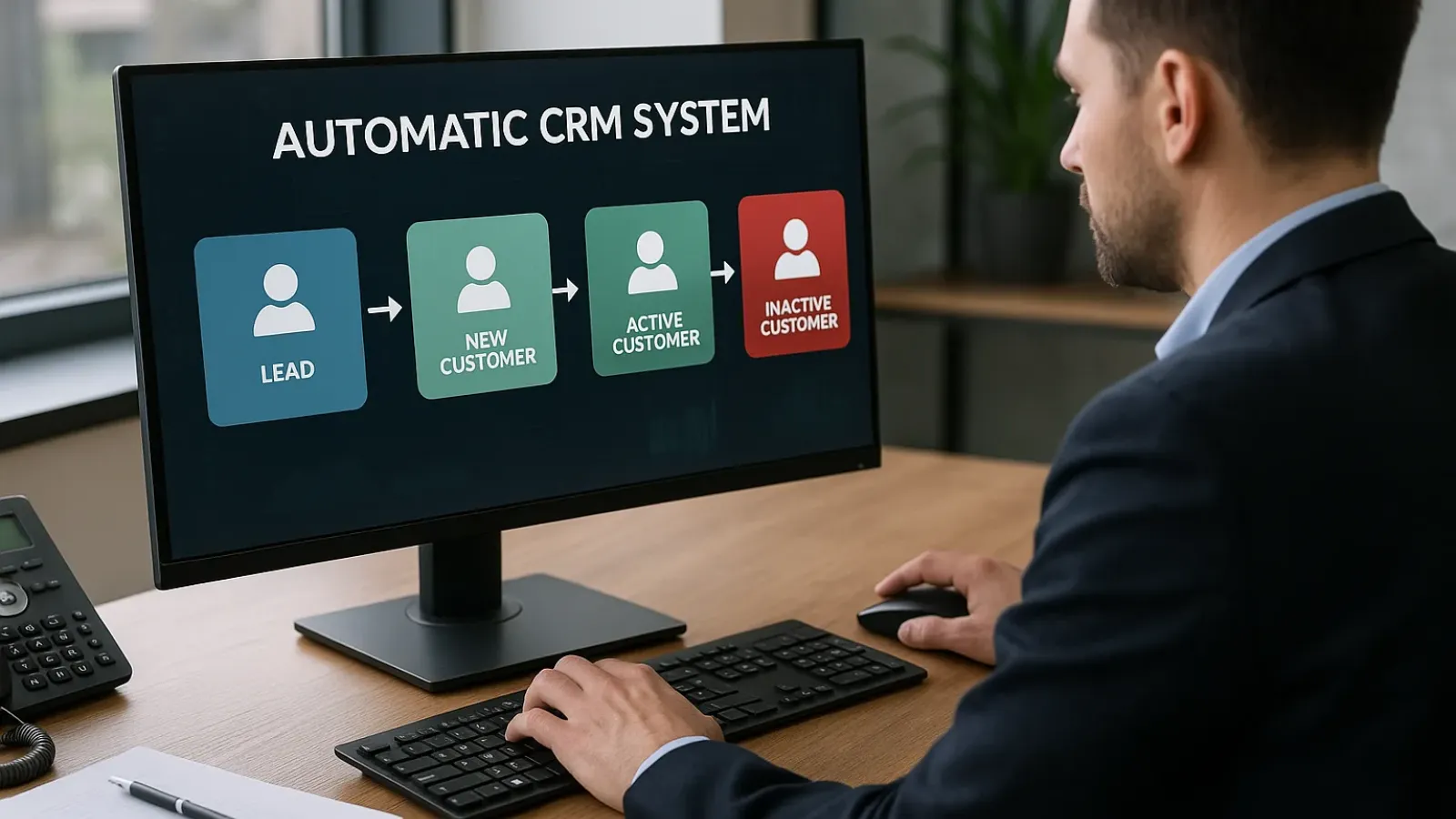
Customer relationship management (CRM) systems let businesses manage their customer data effectively. Automated CRM systems that categorise customers classify people by demographics, buying behaviour and interaction history, which makes marketing and sales strategy far more targeted. By removing manual classification, these systems save both time and resources.
The Advantages of Automatic Categorisation
- Time saved: Analysing and categorising customer data automatically reduces human error and speeds up decisions.
- Targeted marketing: Proper segmentation lets you plan the right campaign for each group, which raises conversion.
- A better customer experience: Personalised communication raises satisfaction and loyalty.
- Analysis and reporting: CRM systems analyse behaviour and provide detailed reports, which makes strategy easier to build.
How These Systems Work
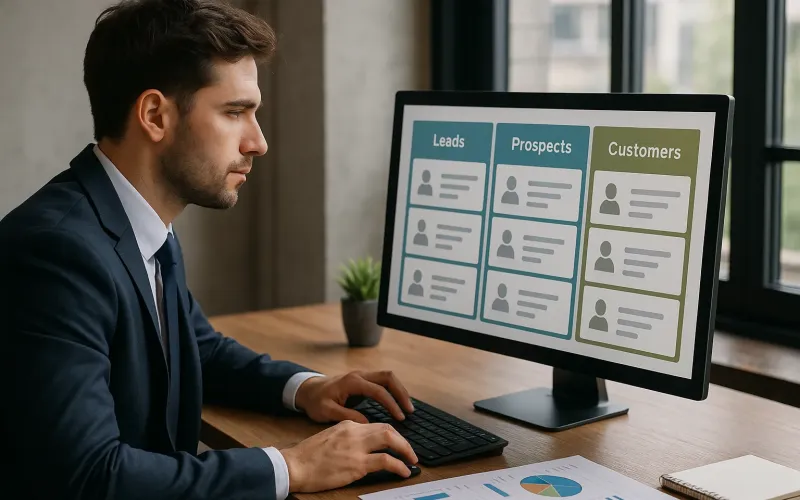
They begin by collecting data about customers from different sources (purchase history, website interactions, social media activity and so on). That data is then analysed with artificial intelligence and machine learning algorithms, and customers are placed into groups with similar characteristics and behaviour. For example:
- Loyal customers who spend a great deal
- New customers
- Customers with low engagement
- Those interested in particular product categories
With that segmentation in place, a business can develop a strategy for each group.
Examples and Success Stories
One e-commerce company used an automated CRM to separate its customers by how often they shopped. It then offered discounts to frequent buyers while running re-engagement campaigns for those who bought rarely. The result was a 25% increase in sales and a marked improvement in loyalty.
In another example, a financial institution improved its risk management by categorising customers according to credit history and payment habits. Loan approval became faster and collection rates rose.
What to Look For When Choosing
- Data security: Protecting customer data and complying with regulations such as the GDPR matters.
- Integration: The CRM needs to be compatible with your existing software and platforms.
- A user-friendly interface: If your team can use the system easily, they adapt to it faster.
- Customisable segmentation: Being able to adjust the segmentation parameters to your needs is valuable.
- Reporting and analytics: Detailed, comprehensible reports support strategic decisions.
Practical Tips: Getting the Most From an Automated CRM
- Raise your data quality: Working with current, accurate data improves the segmentation.
- Review the segments regularly: As customer behaviour changes, the segmentation needs updating.
- Design personalised campaigns: Create relevant messages for each group.
- Use several channels: Integrate email, SMS and social media to raise engagement.
- Get training and support: Training your team on the CRM and having support available lifts your results.
In Conclusion
Automated CRM systems that categorise customers are a critical tool for optimising customer relationships and gaining a competitive advantage. With the right system, used well, targeted marketing, higher sales and a better customer experience all become possible. You can begin assessing the technology now to support your business’s growth.